Monday, September 14, 2009

News ledes: A refresher course

LEDES FOR BREAKING NEWS of obvious importance should get to the point quickly. You don't have to stuff everything in there, just the crucial information. Check out these samples:

* (AP) A new audiotape, reportedly from
Osama bin Laden, denounced President Obama on Monday as no different from his predecessor and warned that anti-American attacks would not stop unless the United States ended the wars in Iraq and Afghanistan.

* The Flathead County attorney said Friday that felony charges will not be filed in the case of a fatal boat crash on Flathead Lake that killed a Whitefish man. (Kalispell Daily Interlake)


* Kent
teachers have approved a new contract and are heading back to their classrooms. (Seattle Times)

* The Missoula City Council on Monday adopted the 2010 budget proposed by Mayor John Engen - a plan that isn't expected raise taxes this fiscal year. (Missoulian)


* Kalispell state Sen. Greg Barkus is back in Kalispell, and said he remembers little of the circumstances of an Aug. 27 boat crash near Bigfork that injured him and four others, including U.S. Rep. Denny Rehberg. (Flathead Beacon)

* Missoula County health officers expect a wave of so-called swine flu cases as the school year moves deeper into September. (Missoulian)


GOOD FEATURE LEDES SHOW
what's interesting about stories that aren't obviously important. Check this out:

The tiny male bat didn't expect to wind up in a biologist's hand when he set out in search of a nighttime snack along Box Canyon Creek.

After being snagged in a net, weighed and measured, the unhappy creature gnashed its teeth and squirmed as Pat Ormsbee stretched its wing for inspection.


The light from a headlamp shone through the translucent tissue, revealing bones tinier than toothpicks.

"This is one of the key things we need to be looking for," Ormsbee said, scanning for rips or scars that could signal infection with white-nose syndrome, the mysterious blight that has devastated bat colonies in the northeastern United States. ...

SOME LEDES TO AVOID:

1. A Topic Lede: President Barack Obama gave a speech today on the importance of education (or any other vague topic. No news here.) A variation: The School Board argued for hours last night over financial matters. (So what? What did they say that was newsworthy?)

2. The Question Lede: Should nonresident UM students get a break on the cost of big game hunting licenses? (That's lazy.)

3. The Quotation Lede: "You can't compete with free," says Fred Dowling, owner of a local music store for nearly 30 years. (What's the context here?)

THE IMPORTANCE OF BACKGROUND

Don't assume every reader is up to speed with ongoing stories. You'll make more sense to more people if you bring them up to date. This crucial background graf is from a story on the work Montana law professors are doing on a controversy over physician-assisted suicide.

Montana is awaiting a decision from its Supreme Court on whether physicians can help terminally ill patients who choose to die. A state district judge says they can because Montana's constitution specifially guarantees every citizen's dignity. But Montana's attorney general argues that the practice could lead to unwarranted deaths.

Saturday, September 12, 2009

First you read: What's up with Missoula?

Here's the agenda for Monday night's City Council meeting. Click on the background links. Educate yourself as best you can, but bring your questions and two potential story ideas to Monday's class.

You might also check out the latest postings to missoularedtap.com.

Wednesday, September 09, 2009

Resources on the City Beat


The City of Missoula's Web site has links to:

Who's who on the City Council.
A map of city wards.
Council agendas.

Missoulian reporter Keila Szpaller's local government site, missoularedtape.com, is a good place to look for background.

Some style issues for your city coverage:
  • Let's identify the council as the Missoula City Council on first reference and the council on subsequent ones.

  • Let's identify council members this way: Councilman Bob Jaffe, Councilwoman Stacy Rye.

  • You don't have to identify council members by ward, unless that's pertinent to the story

Deadlines and how to meet them

BREAKING NEWS: If you have breaking news of obvious immediate importance (spot news, scoops), file the story no later than midnight of the day it breaks. Talk to me, too. No promises, but you may have something the Kaimin would want to publish.

NEWS FEATURES
: The earlier the better, but the hard deadline each week is noon Friday.

How to format and file your stories:


1. Send them to me as e-mail attachments in Word. My e-mail: dennis.swibold@umontana.edu.

2. Double-space all copy. Indent paragraphs. Put your name, the date and a short description of the story ("Mayor resigns") at the top left of the copy. Then leave three inches of blank space before you begin the story.

Wednesday, September 02, 2009

Beat assignments and first deadline

Local economy: Kara O'Connell, Emerald Gilleran

Health: Justyn Field, Piper Haugan

Higher education: Roman Stubbs, Josh Potter

Missoula K-12 schools: Lily Rabil

Justice: Hanna Stiff, Layla Turman

State government: Joe Pavlish

Natural resources & environment: Jessica Cosgrove, Kate Whittle, Evan Phillippe

The following need to see me: Danielle Lellek, Jed Nussbaum, Kyle Spurr, Hollis Kenney

You'll get your first beat assignments in class today. I'll be asking each of you to do some research on specific stories or issues on your beat. By 5 p.m. Friday, each of you is to submit a written written pitch (via e-mail) for a story that you will do the following week.

The pitch will include:

  • A sentence describing what the story is about.
  • A sentence or two describing why the story is newsworthy now and some background.
  • A list of sources you need to contact to do this story (names and phone numbers).

The deadline for your first beat stories is noon, Friday, Sept. 11. You may, however, submit them earlier.

Monday, August 31, 2009

Choose a beat and let's get rolling

By 8 a.m. Tuesday, send me an e-mail with your first and second choice for a beat to cover. I’ll let you know your assignment by the day’s end.

The choices are:

The local economy – Lots of stories here. How are people in your community faring in this recession? What’s the market for jobs? Housing? Energy? Retail trends? A good way to start is update an ongoing story or localize a national one. What challenges to business owners face? What challenges to their workers face?

Missoula K-12 schools – Everyone knows somebody with a kid in local public and private schools. Education is about preparing people for change. So how’s that going? It’s also a big cost to taxpayers. How’s that money being spent?

Higher education – You’re a consumer as well as a student, so start asking questions. How well is this place preparing you for change? What works and what doesn’t? What’s new? What big projects and changes are leaders working on? Who’s running the place?

The justice system – Again, lots of stories. This beat is big and newsy. You’ve got city police, a county sheriff’s department, the highway patrol, campus security and an array of federal cops (FBI, DEA, Homeland Security, ATF, etc.) You’ve got city, county and federal courts too.

City government – These folks are responsible for the safety and well-being of everyone in Missoula. You name it, the city deals with it. It provides police and fire protection, plans for growth, and maintains clean air, clean water, parks, streets and sidewalks. That’s just the short list. This is a big beat with lots of news potential.

County government – Take the previous beat and apply those responsibilities over an area of roughly 2,600 square miles. Counties also act as an agent for state government. County courts prosecute crimes against the state. Counties collect property taxes and run elections. County officials maintain rural roads and plan for growth. They also share responsibilities with city officials for things such as transportation, libraries, public health, etc.

Health – Here’s another huge beat, especially today. From the latest on swine flu to the quality and availability of health care, this beat has lots of interest – and lots controversy. Think about breakthroughs in research and new treatments and care. Who’s providing what health care in your community? How good is that care? What does it cost? Who isn’t being served?

Natural resources and the environment – There’s no better place to cover this stuff than right here. The issues include climate change, wilderness policy, timber and mining policy, wildlife management, water and air pollution, environmental health, recreation on public lands, recycling, sustainable agriculture and industry. This beat is global with lots of local players.

Other – No list can cover everything, so if you have an idea of something with significant public policy angle, let me know. Here are a few I would consider: agriculture, sports/athletics business and regulation, transportation, media/communications business, etc.

Friday, August 28, 2009

New to the beat? Try updating an ongoing story

Getting up to speed with an ongoing story is a good way to start on the beat. The first thing you should do is read everything you can about the issue. Let's use Missoula's ongoing debate over panhandling to get started.

1. Has this been covered in the press? It's useful to see what's been reported before, but remember that you need to verify or credit anything that you didn't witness. Look particularly for what IS NOT in the story. Are there unanswered questions? (If so, answering them could make for a story.) How could this be updated?

New West's story
The Missoulian's story
The Wall Street Journal (Really? No kidding?)
A Wall Street Journal video (Wow.)

2. Can I find original documents on this? Chances are good. Laws and policies don't come out of thin air. In this case, everything springs from Missoula's city government, and the City Council, in particular. It all started as somebody's idea and then went through a, gasp, process.

Writing about process is boring, but knowing the process can help you find sources and records. In this case, it helped me find the following:

>Minutes of a debate, in which elected City Council members argued the pros and cons of a new panhandling law (cities and counties call laws ordinances.)
>A draft of the ordinance itself.
>One council member's e-mail discussion of the issue.

So what new angle are you going to take?

Welcome to Newzhound

We'll use this site as a place to post announcements, assignments and information on topics and resoruces for the semester.

In the meantime, you'll need to register with Blogger.com so you can comment to the posts.

Friday, November 14, 2008

Anatomy of an Investigation: "The Electronic Wasteland"


Watch CBS Videos Online

After months of work, CBS's 60 Minutes aired this story on Sunday, Nov. 8, 2008. Producer Solly Granatstein and correspondent Scott Pelly found that some American companies who advertise safe collection and recyling of hazardous e-waste were actually dumping those products in developing nations whose people often work at great risk to salvage valuable but toxic metals from the waste.

The story built on an investigation done last summer by the Government Accountability Office, the investigative arm of Congress. GAO officials posing as foreign buyers found eager sellers among 43 American companies trying to circument EPA regulations in the disposal of e-waste.

CBS reporters found themselves under surveillance when they followed a container of such waste from its collection in Colorado to its eventual home in a badly polluted Chinese community near Hong Kong.

Here's a link to a print version of the story.

Thursday, November 13, 2008

"unSpun" Assignments

The Presentation Schedule

Nov. 24:

Chapter One - From Snake Oil to Emu Oil, Chris Arneson

Chapter Two - Bridesmaid's Bad Breath, Megan McLean and Mike Gerrity

Chapter Three - Tall Coffees and Assault Weapons, Karen Garcia and Jessica Whalen

Dec. 1:

Chapter Four - UFO Cults and Us, Danielle deBouver and Andrew Dusek

Chapter Five - Facts Can Save Your Life, Allison Maier and Heather Roussi

Chapter Six - The Great Crow Fallacy, Brenna Braaten and Ashley Klein

Dec. 3

Chapter Seven - Osama, Ollie and Al, Matt McLeod and Erin Gallagher

Chapter Eight - Was Clarence Darrow a Creationist?, Charles Pulliam


Monday, October 27, 2008

Issues for Justice Reporters

BEAT COVERAGE: Poynter, Power Reporting, Covering Crime and Justice

PROJECTS: Wrongful convictions, "Wasted in Wisconsin," Pro Publica, "Forensics Under the Microscope"

ETHICS: Covering Crime and Justice, At the Virginia Pilot; SPJ case studies

Local Justice Resources

State and Local Resources

Montana law gives you access to:

Daily incident reports – They’re often skimpy and filled with code. But they’re a start.

Daily arrest reports – Name, DOB, charge.

Jail logs – Who’s in jail, arresting agency.

Other Local and State Web resources

Missoula Police Department

Missoula County Sheriff’s Department

Missoula County Detention Facility.

Montana’s court system. Find links to various branches and resources of Montana’s judicial system, from the state Supreme Court down to Municipal and Justice of the Peace courts.

Montana’s laws. It’s all here, but Title 45 is the state criminal code. You’ll find descriptions of different crimes and any sentencing guidelines.

Montana Supreme Court decisions. You can read them yourself.

Montana State Law Library. Look up old court decisions. Contacts here can help you research a case.

Montana Department of Justice. We elected a state attorney general, who acts as Montana’s top prosecutor. He also represents the state in lawsuits. His department covers everything from law enforcement and forensics (State Crime Lab) to gambling regulation. It also keeps state crime stats.

Montana Department of Corrections. Officials here track everyone convicted of felonies. They have databases of violent and sexual offenders and everyone currently in the state prison system.

Monday, October 20, 2008

Learning about the Law

Here's a guide to Montana courts and answers to questions about the state's legal system. Here's a guide to legal words phrases. Here are some you need to know from the start:

-Actual malice, Affadavit, Answer, Appeal, Arraignment
-Bail/Bond, Bankruptcy, Beyond a reasonable doubt
-Circumstantial evidence, Class action suit, Complaint, Compensatory damages, Concurrent sentences, Consecutive sentences, Cross examination
-Damages, Defamation, Double jeopardy
-Felony
-Grand jury
-Habeas corpus, Hung jury
-Indictment, Information
-Judgment
-Liability, Libel
-Mistrial
-Parole, Plaintiff, Probation, Preliminary hearing, Preponderance of the evidence, Probable cause, Punitive damages
-Remand
-Settlement, Statute of Limitations, Subpoena
-Voir dire
-Warrant

Friday, October 17, 2008

We're Going to Court Monday

That's right. Let's meet in the second-floor lobby of the Missoula County Courthouse at 2:15 sharp. We'll sit in on a Justice Court session, the honorable Justice of the Peace Karen Orzech presiding.

We'll report on a story for a midnight deadline, so bring your notebooks, recorders and pens. We'll also make a quick visit to the Clerk of District Court's office, the honorable Chris Arneson guiding.

Sunday, October 05, 2008

Get Ready for Monday's Council Meeting

Take a look at the City Council’s agenda for tomorrow night. Remember, we’re covering stories, not meetings, so pick a couple issues that you think might be worthy of covering and be prepared to talk about them in class. In other words, do some background work.

Also, I’m changing the assignments for the week. Besides Monday’s council story, I’ll ask you to polish your candidate interview story, based on my comments. Be working on the story from your beat about the election, but we’ll make that due early next week.

See you in class.

Wednesday, October 01, 2008

Revealing Questions for Candidates

Here are some of my ideas. Add your own as comments.

1. Who are your heroes? Why?
2. Have you ever voted for someone in the other party? Who and why?
3. What advice does you spouse give you about campaigning?
4. How would you rate the press coverage in this campaign?
5. What's the strangest suggestion you've received from consituents?
6. What's the hardest job you've ever done?
7. What's the best book you've ever read?
8. What's the best advice you've ever been given?

Covering Elections: The Basics

Here's a list of things journalists should consider when they cover elections.

1. Background your candidates -- We've already talked about this, but it's important. Who are these folks? Who are their friends and supporters? Who is endorsing them? Who is giving them money? What's their history? Where do their private and public histories intersect?

2. Illuminate candidates' stands on the issues -- You'll get some of this by covering debates, forums, press confernces, speeches, etc. It's important not only to cover what they say, but to verify the accuracy of it. Track their comments on an issue over time to see if they changing the tune. Are they pandering to the crowd? What issues are they ignoring? Are voters' opinions on issues being solicited? In call of this, be sure to put the issues in context. How does this affect my readers?

3. Cover the "horse race" -- The press overdoes this, partly because it's easy, but it still matters. Pay attention to the polls (Are they credible? Valid statiscially?). What strategies and tactics are the candidates using? How effective is a candidate at organizing, raising money, etc. How is the electorate changing? How are registration and voting laws affecting the process? Look for oddities in the collection and counting of votes? Is the process fair?

Better Election Coverage

Some questions election reporters should ask themselves:

1. Are we covering the "horse race" (stories about polls, campaign tactics, personnel) at the expense of issues?
2. Are we asking questions voters care about?
3. Who is going uncovered?
4. What issues are going undebated?
5. Are we trying to get to the truth of campaign allegations?
6. Are we giving voters and candidates an opportunity to respond?

Good Election Fact-Checking Sites

PolitiFact.com -- Another good site sponsored the St. Petersburg Tims and Congressinal Quarterly. Check out the "Truth-o-Meter" and the new "Flip-o-Meter."


Factcheck.org -- Probably the best all-around election fact-checking site. It succeds in being a nonpartisan resource that moves quickly to sift the truth from fiction from national campaigns.

How to "Truth Check" a Campaign Ad

Stories sifting fact from fantasy in campaign ads are becoming more frequent as checking them becomes easier to do. Here are some examples in print and broadcast.

Some pointers for doing your own 'Truth Check' story:

1. Insist that candidates provide sources to back up their advertising allegations. Most will. In fact, check the sponsor's Web site first. If they refuse to offer proof, you've got a story they're really going to hate.

2. Most often, candidates will point to their opponents' voting records. Look up the bills and votes yourself. Don't rely on their opponents' "spin." If we're talking about state legislation, go to the Montana's Legislature's site. Click on "bills" for the right session. You can search by bill number, sponsor or general topic. It's easy to verify a vote or see what a bill would do, but often the bill's costs are the issue, so be sure to look at the "fiscal note," which is the state's best guess at costs for taxpapers. If we're talking about federal legislation, go to the Library of Congress' Web site.

3. After you've seen the facts, bounce your finding off of both candidates or their people. You can include their reaction in your story. They may offer you more context or sources, too.

Some pitfalls:

A. Make sure you're reporting a candidate's final vote on the issue at hand. Legislators may vote many times on a single bill: at the committee stage, on amendments to a bill and finally on the bill as amended. Here's an example: In 1997, state Sen. Mike Taylor initially voted to deregulate the wholesale price of electricity, a highly controversial idea in Montana. But he changed his mind on the third and final vote, making him one of the few Republicans to ultimately reject the idea. He's running this year for the state's Public Service Commission, which regulates utilities.

B. The questions legislators face are not always black and white. For example, a legislator could support a sale tax as an additional tax or as a substitue for eliminating or cutting other taxes. The effect on taxpayers could vary enormously.

C. Beware of singling out a lawmaker's vote as his or her only vote on some controversial issue. Often Democrats and Republicans will offer similar solutions to some problem. A Republican legislator who votes against a Democratic version may vote for his party's solution instead.

Friday, September 26, 2008

Contact Info for Legislative Candidates

Those of you looking for contact information on Montana legislative candidates can find it here.

Tuesday, September 23, 2008

The Paper Trail: A Guide to Backgrounding People

You'll be surprised at what you can find that's readily available: news clips, business directories, phone and criss-cross directors. You'll find much of that and more online from your local university library. Google, Lexis-Nexis, social networking sites -- of that can help, but don't overlook public records when you're investigating an individual. Not all of them are online, but many are.

Here are some public records that may prove helpful:

BIRTH RECORDS (Montana makes them available 30 years after a birth.)

SCHOOL RECORDS (Dates attended, degrees conferred, theses written, dissertations. No grades. No school disciplinary action.)

PROPERTY RECORDS (Counties have this stuff: Who owns what, property assessments, taxes paid and unpaid, improvements, even a map.)

MARRIAGE AND DIVORCE RECORDS (You can see a marriage license but not the application. Divorces are civil actions.)

BANKRUPTCIES (Individuals have to file with a U.S. Bankruptcy Court. Lots of detail here about what people own and owe.)

DRIVERS' LICENSES, OTHER LICENSES (Hunting, fishing, etc. You may not get to see the application but you should be able to find out if a person is licensed for these activities. It will cost you a couple of bucks, but you can check with the Montana Highway Patrol to see if someone has speeding tickets.)

PROFESSIONAL LICENSES (Most states keep these records for doctors, nurses, lawyers, public school teachers, pilots, cosmetologists -- anyone who needs a license to do their job. You can find out what the qualifications are for different jobs, or if someone is, in fact, licensed.)

COURT RECORDS (Criminal and civil histories -- convictions, judgments, complaints, depositions, affadavits for probable cause, affadavits for warrants, etc. Sometimes private records -- health, income, etc -- will show in a civil or criminal court case if they are offered in evidence. Much of this is on file at the court house, although some things are online. Check out Missoula District Court dockets.)

PRISON RECORDS (Who's there? Why? In Montana, you can find that stuff on CONWEB. Yep. That's what they call it.)

MILITARY RECORDS (It's not online, and it takes a while, but you can verify of service, rank, medals and commendations.)

CONCEALED WEAPONS PERMITS (Check with the Sheriff's Department.)

LENDING INFORMATION (UCC filings document some loans. Check with the county clerk and recorder, Secretary of State.)

PUBLIC EMPLOYEE SALARIES (Check with the human services officer in the agency that employs them.)

VOTER REGISTRATION INFO (You can find out if someone voted but not how they voted.)

VOTING RECORDS (Local government minutes, legislative and congressional journals, vote-tracking sites, Project Vote Smart, etc.)

CAMPAIGN CASH (Check the Federal Election Commission's database for donations to candidates for federal office. Another place to go for federal campaign cash is opensecrets.org . For campaign finance infomation on local legislators, check with the county election officials. For statewide candidates, cheick with the Montana's Commissioner of Political Practices. For contributions from previous Montana election cycles, check http://www.followthemoney.org/)

ELECTRONIC ACCESS LAWS

For state-by-state laws on access to public records, check with the Reporters Committee for Freedom of the Press.

WANT MORE?

Take the Net Tour offered by the National Institute for Computer-Assisted Reporting.

Saturday, September 13, 2008

Monday Sept. 15 Assignments

Remember that we'll meet Monday at the regular time BUT in Room 316 to hear from Pulitzer-Prize winning reporter Maurice Possley. Please see his work that I linked to on the Sept. 4 post. BRING THREE QUESTIONS, and I'll expect to hear you ask them.

Also, I'm giving you your choice Monday night:

1. You can cover the City Council meeting for a midnight deadline. (Planning and zoning issues)

Or ...

2.You can cover the gubernatorial debate on campus for the same deadline. That event starts at 7 p.m. in the Montana Theatre, PAR/TV Center. Candidates Republican Roy Brown, Democrat Brian Schweitzer and Libertarian Stan Jones will be there. Will you?

If you choose the debate, focus your story on the exhanges that show their differences on the issues and in style. Hit the highlights. Don't speculate on who won or lost, but you can report about the crowd an its responses to the answers. (Rememeber, this will be on TV too.)


Here's some background on Gov. Schweitzer: http://www.votesmart.org/summary.php?can_id=40832

Here's some background on his Republican challenger: http://www.votesmart.org/summary.php?can_id=20942

Here's some background on third-party candidate, Stan Jones, a Libertarian: http://www.votesmart.org/bio.php?can_id=40338

Monday, September 08, 2008

Tonight's Agenda

For those of you who couldn't find it over the weekend, here you go.

Tips for Writing on Deadline

1. Have a good idea of what the story might be before you begin your reporting. That way you're thinking about potential ledes from the start.

2. As you're taking notes, mark passages or quotations that support the potential ledes rolling around in your head.

3. When you start to write, see how far you can get without looking at your notes. Then go through the notes to fill in the blanks for quotes, examples, etc.

Ask Tax Man: What are Property Taxes?

I'm so glad you asked. It’s important to understand how property taxes work because they’re the biggest source of tax revenue for local governments (cities, counties and school districts). The state and feds rely more in income taxes.

THE MILL LEVY

Property taxes are based on a property’s value. Once the value is determined, local governments assess – or levy – something called a mill. Think of one mill as $1 in taxes for every $1,000 of a property’s taxable value. (Another way to express it would be $.001 for every $1 of taxable value.)

Here’s how it works: If my home has a taxable value of $3,000 and the city decided to levy 100 mills, then my tax bill would be $300, or $100 for each thousand dollars of taxable value.

You can also see why actual tax bills vary around the city, though every pays the same 100 mills. Property values vary. The state calculates taxable values by looking at sale prices and then applying various deductions and tax rates that vary based on the type of property. For instance, in Montana homes and most businesses pay the same tax rate. Farmland and property owned by nonprofits pay a different rate.

HOW LOCAL GOVERNMENTS DETERMINE MILL LEVIES

First, the city adds up the taxable values of every piece of property within the city limits. Let’s say it’s $100, 000, 000. (That’s called the city’s tax base.) Then the city multiplies the tax base by the value of one mill ($.001). The result is how much city would raise for each mill it levies:

Our example:

$100,000,000 (total taxable value in the city) X .001(one mill’s value) = $100,000 (what one mill in taxes will raise citywide)

Let’s say the city decides it needs to raise $60 million. If you divide $60,000,000 by $100,000 (what one mill would raise) you get 600 mills. That means each property owner in the city would have to pay $600 for every $1,000 of their property’s taxable value.

THINGS THAT CAN MAKE PROPERTY TAXES RISE

1. More government spending. (New bond issues, inflation in the cost of services, shifts in state and federal spending.)
2. Higher property values. (Every few years the state reassesses all the property in Montana. It’s a nervous time.)

ONE THING TO REMEMBER: IT ALL ADDS UP

A person’s property tax bill includes mill levies from the city, the county, local school districts and even state government (mostly for education). We even pay special property taxes in our individual neighborhoods for things like street repairs, sidewalks, street lighting, etc. They call these SIDs, or Special Improvement Districts.

WANNA SEE TAX MAN'S PROPERTY TAX BILL?

It's a public record.

Thursday, September 04, 2008

Coming Soon: Justice Reporter Maurice Possley


Mark your calendars. On Monday, Sept. 15, we will meet from 2:10 to 3:30 p.m. in Room 316 to have a discussion with Pulitzer Prize-winning criminal justice reporter Maurice Possley, formerly of the Chicago Tribune. Please click on the links at this site to read his work. Your assignment: Prepare at least three questions for him and post them as comments to this blog entry.

Wednesday, September 03, 2008

Assignments

For this week:

Your first beat stories are due to me by 5 p.m. Friday. Send them as WORD e-mail attachments, and follow the copy preparation rules (double-spaced body copy, white space at the top of the first page, etc.)

Also, this weekend, please check the City Council's agenda for Monday night. Click the links. Get as familiar as you can with the issues. Bring your questions to Monday's class.

Next week:

We're covering Monday night's City Council meeting for a midnight deadline.

You'll also be expected to write a story from your chosen beat.

Covering the City Beat


For the next few weeks we’ll be covering the City Beat and its most important institution, city government, which is responsible for:

Protecting the public – It enacts ordinances to control public behavior; funds, hires and manages police and fire departments; monitors local air and water quality; provides sanitary sewer service; identifies and fights health threats, oversees the building of roads, streets, sidewalks and street lighting; monitors and inspects building construction.

Planning for growth – It reviews and approves new subdivisions and the extension of city services; establishes what type of buildings can go where (zoning).

Enhancing the quality of life – Establishes and maintains parks; funds and directs recreation programs; sponsors and oversees public events (farmers’ markets, festivals and concerts).

Raising money to pay for all that – Plans for spending (builds a yearly budget), raises money through general property taxes (those everyone pays), special property taxes (those paid by a few for a special purpose like sidewalks), fees (building permits, business licenses, development fees), and grants or loans from state or federal governments.

HOW CITY GOVERNMENT WORKS IN MISSOULA

The city hires professionals and lumps them into departments to oversee all of these activities.

Voters also elect a mayor to ensure that the departments are doing their jobs. In Missoula the mayor also presides over City Council meetings.

Voters two people from each of six districts, or wards, to sit on the City Council. The 12-member council makes the big decisions on services, growth and taxes. The council consists of several committees that study different needs and make recommendations to the full council.

The council meets every Monday (except for holidays and fifth Mondays of each month) to conduct public hearings and make decisions on items brought to it by its committees, the mayor and residents. An agenda is posted at least two days before each meeting so residents and city officials alike can prepare to participate.

THE REPORTER’S JOB

Give residents information they need to understand and participate in decisions that could affect their well-being. Be watching for impacts on services and taxes

Tuesday, August 26, 2008

Beat Assignments

Here's a list of beat assigments based on your requests. There's still time to change your mind, however. No one picked natural resouces/environment so that's still available.

The beats:

1. Justice I (cops and misdemeanor courts) -- Gerrity, Garcia

2. Justice II (state and federal district courts) -- Arneson, Gundlach

3. K-12 education (Missoula public schools) -- McLean, Whalen

4. Politics (2008 election) -- Dusek

5. Public health -- Klein, Gallagher

6. Higher education -- Maier

7. Minorities -- Rawn, deBouver

8. City and county government --Braaten

9. Natural resources/environment -- Roussi
10. Engergy/transportation -- Pulliam

Monday, August 25, 2008

Welcome to Public Affairs Reporting, Fall '08

Here are your first assigments:

A. By midnight tonight, send me the story from the short speech I gave in class. Send it as a Word attachment to dennis.swbold@umontana.edu


B. By 9 a.m. Tuesday, send me an e-mail with your first and second choices for a beat to cover. I’ll let you know your assigned beat by the day’s end. (Make sure you use your grizmail account.)

The choices are:

1. Local government: How are city and county governments dealing with issues such as public safety, transportation, growth? How are your readers affected? Read: Governing. Major institutions: City Council, County Commission.

2. K-12 education: Tens of thousands of Montanans are either enrolled in local schools or have children attending them. All of us pay tax to support the schools. What are children learning? How are they performing? Is the education community meeting students’ needs in the 21st century? What educational controversies do schools face? Are schools spending taxpayers’ money productively? Read: Education Week. Major institutions: Missoula County Public Schools.

3. Higher education: As consumers of higher ed, you have a vested interest in how the system works (or doesn’t work, as the case may be). Follow the changes and controversies: cost, access, changes in administration, curriculum, interaction with societal issues and controversies. How are colleges performing? Read: The Chronicle of Higher Education. Major institutions: UM, ASUM.

4. Justice I: You’ll cover breaking crime and disaster news in the Missoula area. This beat involves making the rounds constantly. Major institutions: Missoula Police Department, Campus Safety, Missoula County sheriff’s Department, Missoula Fire Department, Municipal (city) and Justice (county) courts.

5. Justice II: You cover cases in district (state) and federal courts. How is justice being served? What’s happening in newsworthy criminal cases? Who’s suing whom in civil cases? Major institutions: Missoula County District Courts (We have four district judges who handle cases involving violations of state law or civil cases between Montanans.) We have a federal courthouse with a U.S. district judge and a U.S. magistrate. (They handle cases involving violations of federal laws and suits between citizens of different states or against federal agencies.)

6. Public health: You’ll cover issues of interest to the public health, like outbreaks of disease, new diseases (West Nile) or health trends of concern (obesity, smoking, etc). You cover changes and controversies in the local health care system (access to services, costs, changes and trends in treatment options). Read: The Nation’s Health (http://www.apha.org/publications/tnh/default.htm). Major institutions: City-County Health Department, St. Patrick Hospital, Community Memorial Hospital, UM’s Curry Health Center.

7. Natural resources, the environment: You’ll look for local angles to environmental controversies such as climate change, air and water quality and the health of forests, grasslands and wildlife habitat (wildfires). Read: High Country News (http://www.hcn.org/). Major institutions: U.S. Forest Service, the EPA, U.S. Fish and Wildlife Service, Montana Department of Environmental Quality, city air and water quality officials, Montana Department of Fish, Wildlife and Parks. Lots of environmetal organizations too: Clark Fork Coalition, Five Valleys Land Trust, Friends of the Bitterroot, Wilderness Society, etc.

8. Energy/transportation: This beat gets more important with every jump in gas prices. What’s happening with access to and costs of energy? Utility rates? What’s new in alternative fuels? Public transportation? Alternative modes of transportation? What’s happening to roads and runways? Access and cost of air, rail or bus travel, etc. Read: http://www.freetrademagazinesource.com/37/categories.aspx?AffiliateID=84797996&gclid=CPjB3te9opUCFR8ViQodhX8xjw
Major institutions: Mountain Line, Missoula International Airport, local and state street and highway departments, federal Department of Energy, Northwestern energy.

9. Undercovered communities: Think of it as the minorities/civil rights beat. What sort of discrimination do you see? What stories are NOT being told about minority communities? You should find a lot of stories among not only racial and ethnic minorities but with the disabled, religious minorities, fringe political or social organizations, gay, lesbian and transgender people, etc.

10. Politics: You’ll be covering elections, and there are a million ways to do it. We have local contests galore and you can find local election angles to national campaigns as well. Read: Local, state and national election news. Major institutions: Local party central committees, county election officials (they run the elections), Montana Secretary of State, Montana Commissioner of Political Practices, Federal Election Commission, etc.

Tuesday, November 27, 2007

News Features and Profiles

Need some models for your in-depth news feature? Check out work of your fellow journalism students nationwide at the Hearst Journalism Awards Program. Look at the Features, In-depth and Personallity/Profile entries.

Monday, November 05, 2007

Keep Those Ballots Coming

If it's too late to get your municipal ballot in the mail, you can drop it off at the Missoula County Elections Office, 200 W. Broadway. County officials also will accept ballots at the following locations, from 7 am. to 8 p.m., on Election Day only:
  • Rattlesnake School, 1220 Pineview Drive
  • Paxson School, 101 Evans
  • Russell School, 3216 Russell
  • Hellgate Elementary, 2385 Flynn Lane
  • Cold Springs School, 2625 Briggs

Wednesday, October 31, 2007

Is Justice Served?

Cops and courts writers face such a steady stream of daily stories that they sometimes overlook articles about how the justice system works. It's a rich field for enterprising journalists. For great story ideas, check out Covering Crime and Justice, a Web-site produced by some of the nation's top justice journalists and featuring basics of beat coverage and a great assortment of story ideas.

Another thing to keep in mind is your obligation to see that the system is fair. Sometimes cops and prosecutors go too far. Check out the National Association for Criminal Defense Lawyers for examples. The folks at Truth in Justice have some resources too.

Thursday, October 18, 2007

The Endorsements Assignment

Here's what I need from each candidate group by midnight Monday:

1. How much money has the candidate raised and spent as of Monday?
  • List the totals for each category. (You may have to add up the totals from a couple of reporting periods).
  • List the major donors (say $100 or more) and provide their city and occupation, if available.
2. List the organizations and prominent people ((Parties, business groups, etc.; mayor, other council members, politicians, etc.) who have endorsed them.

Wednesday, October 17, 2007

Resources on the Justice Beat

Missoula Police Department daily public reports
Checking these skimpy reports is a start. Look for more serious sounding events and those with A8 or A9, indicating they were serious enough for a report to be written. A good beat writer will also make daily calls, early in his or her shift, on routine sources, usually, detectives, to see what's new.

Missoula County jail roster
The public jail roster reflects charges listed at the time of booking. For the current status of the charges against an individual, contact the Missoula County attorney's office 258-3246. The roster can tip you off to arrests that didn't appear in the city public reports because they were made by other law enforcement agencies.

The Laws:

Monday, October 08, 2007

The Budget: It's About People, Not Numbers

By now, you should know that writing about public affairs is writing about people, not processes, not dry statistics or numbers. That goes for even the most number-driven story: budgets. The critical questions are the same as always:

  • Who wins?


  • Who loses?


  • Why?


  • Whose taxes are going up?


  • Whose services are being cut?
Once you understand the the answers, the trick it to write about them without getting lost in the numbers. One key is to use only the meaningful numbers and make comparisons that readers will easilty grasp. Here are some tips that might help.

One of the pitfalls in writing about spendig or taxes is making accurate comparisons over time. Because inflation eats a way at a dollar's buying power, you'll need to adjust for its impact. Here's a handy calculator that can help you do that.

Monday, October 01, 2007

Resources for Backgrounding Candidates

Ask for a résumé or CV. Smart candidates these days have Web sites and post résumés and other interesting stuff there. Ask them to help fill in any unexplained gap, and double-check items that sound unusual or too good to be true.

STUFF YOU CAN CHECK ON YOUR OWN:

A. Education: You can’t get their grades, but you can confirm the dates they attended a school and degrees conferred. Be on the lookout for exaggeration.

B. Awards and honors: Check for publicity concerning such by contacting people or associations that confer them. Again, be on the lookout for exaggeration, especially in things they tout, as in a decorated veteran of the Vietnam War.

■ You can verify claims of military service by checking Military.com.
Poynteronline has a good tip sheet for military info.

C. Occupations: If there’s reason to be skeptical, check these directly. How long did they work there? What positions did they hold? How did they leave? Voluntarily? Check employer Web sites, association directories, etc.

D. News history: Check the archives of your local newspaper for mentions. Go back several years. Why were they in the news? (If they’ve moved here recently, check the paper where they used to live.) Always check Lexis-Nexis, Newsbank and other news databases.

E. Criminal and legal history: Check with the Clerk of District Court for felony charges or civil suits filed in Missoula County. Justice and Municipal courts have misdemeanors. You can check the state’s criminal history database, but it will cost you $11.50 per request. However, searching the state’s correctional offender network to locate people in prison is free. So are the state’s sexual/violent offender databases. You can get federal information though a database called PACER, but it costs. (I have an account.) Again, the Web is a good starting place.

F. Political/Public service history: Again, start with a basic Web/News search, but there are other databases, including minutes of government meetings and government directories. You can also check to see if they’ve given money to state or federal candidates. If you’re researching the voting record of a state or federal elected official, check with the good folks at Project Vote Smart.

G. Property and taxes: If they own property in Missoula County, you can look up its physical description, location and tax information. To see if they own property elsewhere in the state, check the Montana Department of Revenue’s Web locator.

H. Business records: If people own businesses, you can check to see what type they are and who represents them. Remember that incorporated businesses can own property, so search the property-tax databases for that information too.

I. Bankruptcy: Bankruptcies, in which individuals or businesses seek protection from their creditors, are filed in a special federal court. You can get this through PACER. The nearest U.S. Bankruptcy Court is in Butte.

OTHER ELECTION/GOVERNMENT TOOLS

For information about a Montana candidate’s past fund-raising, check the Montana Commissioner of Political Practices site. It can lead you to information about lobbyists, too. For information about groups running so-called issue advertisements (“527 groups”) , see Opensecrets.org.

Covering the Candidates

Besides covering tonight's City Council meeting, I want you to file a photograph and a short biographical report on your council candiates this week.

Due by 5 p.m. Friday, Oct. 5 -- A jpeg. photo and biographical information on your candidate. Keep it short and answer the following:

Name and Ward (also indicate whether your candidate is an incumbent) :
Age:
Occupation:
Marital or domestic partnership status:
Education: (degree and major)
Professional and military experience:
Public service:
Party affiliation:

Due by class Monday, Oct. 8 --
  • Q&A (10 questions)

  • Background report


Thursday, September 27, 2007

Writing on Deadline

It's rarely easy, but you will get better with practice.

Preparing -- even for a few minutes -- helps tremendously. Otherwise, get in the habit of thinking of a simple lede or headline as you report. You'll tweak it as new information comes in, but the process gets you ready to write.

One trick that works for me is to write a bare bones version of the story without looking at my notes. I'll flesh out the details and add quotes from my notes on the second run-though. That way I don't get bogged down in details at the start.

Here's some other advice on deadline writing from the pros.

Monday, September 24, 2007

This Week: Council, Taxes, Election

We'll be covering tonight's Missoula City Council meeting. The story deadline is midnight. You're on your own as far a prepping for the assignment, but you know the drill by now. Don't go tonight without an idea or two for the story. Bring questions to class.

No beat story this week, but I want you to start digging into the City Council candidate you'll be be assigned to cover today. We'll draw for candidates and teams.

We'll be talking about the property tax in today's class. Here's some official literature on the subject from the Montana Department of Revenue, which administers taxation. The tax, which provides money for cities, counties and schools, is collected at the county.


Sunday, September 16, 2007

Let's Hear it for Hillview Way

Barring any surprises, it's the public's night to tell the City Council what it thinks of the a $3.3 million plan to rebuild Hillview Way, a twisty, dangerous road serving Missoula's South Hills. Missoulian reporter Keila Szpaller gave you a good look at the project last week, so you should be well prepared. She followed up with another good piece Monday.

If that's not enough, here's a map of the project and a fact sheet produced by the city's Public Works Department.

Take good notes so you can give readers a sense of the debate. It's hard to say if the council will vote on this after the hearing. If it does, you'll want to build your story on the decision and reaction. If it doesn't, then give readers a sense of the hearing (without getting lost in the process.)

You might even draft a few grafs of background ahead of time.

Your other assignment this week: A story from your beat.


Monday, September 10, 2007

Assignments for the Week of Sept. 9

Here's what's due this week:

  1. A story from Monday's Missoula City Council meeting. Deadline: Midnight Monday.
  2. A story from your beat. Deadline: If you've got breaking news, the story is due by midnight of the day it happens. News features are due no later than noon Friday.

Local government reporters: There's a city primary election Tuesday. See me after class for details.

Sunday, September 09, 2007

Covering City Hall: Preparation is the Key

The action starts at 7 p.m. Monday night at the weekly Missoula City Council meeting. Get there (140 W. Pine St.) early and grab a seat where you can see who's talking. Before you go:
  • Read the agenda and follow the links on issues you think might be newsworthy.
  • Read Missoulian reporter Keila Szpaller's story in Sunday's paper about "roundabouts."
  • Go to the paper's archive link and click on advanced search. Look for any other articles on "roundabouts" over the last 12 months. (Hint: You'll have to change the search dates.) You should find an earlier story about the Miller Creek Road project.

You should also take a look at Keila's Monday story about a controversial plan to rebuild Hillview Way, a dangerous road that curves through Missoula's southern hills. The story anticipates a public hearing on the project scheduled for Monday the 17th. Good beat reporting like this gives people a chance to participate in the process.

Monday, August 27, 2007

Welcome to Public Affairs Reporting

I'll use this space to continue class discussions, post assignments and publicize your best work. It's also a handy reference guide to links that can help you on your beats. Don't be shy about diving in. For starters, you might check out these tips from the pros for covering a beat.

Tuesday, November 28, 2006

On the Record: Backgrounding Business

Learning how to learn about a business can come in handy.

In some ways, businesses are like individuals: They own things (property records), they pay taxes (property-tax records) and they sue people or get sued (court records), and they can go broke (bankruptcy filings).

Beyond that, they also leave special paper trails with:

-- Licensing agencies, agencies than permit corporations (Secretary of State's office)
-- Regulatory agencies (OSHA, EPA, FAA, FTC, state and local agencies, etc.)
-- Agencies that contract for products and services, or that grant business loans (SBA, CDBG, etc.)

What you can learn may also depend on what kind of business you're investigating.

Privately held businesses are generally owned by families or small groups of individual investors, who share the profits and the risks. They do not sell shares to the public. Typicially, you'll find less public information about them, although you may find plenty through trade or business sites, such as Hoover's.com. (Its free service offers basic info and links to news and press releases. Try searching for Mars, Incorporated. The pay service will look up company's public paper trail.)

Publicly traded companies share the profits and risks with shareholders, who buy and sell shares to the public in stock markets. To protect shareholders from being swindled, such companies are regulated by federal and state governments.

The federal regulator is the Securities and Exchange Commission, which To requires such companies to file a whole string of public reports, which can tell investors -- and reporters -- a lot about the way the company operates. You'll find annual and quarterly financial reports, announcements of major changes in ownership, etc.

In Montana, the State Auditor regulates companies that sell securities (stocks and bonds) and insurance. The auditor occasionally investigates wrongdoing and can instigate prosecutions through the courts.

Nonprofit companies or organizations are a different breed of business altogether. Most are exempt from paying taxes, and in return for that special treatment they must file an annual report (IRS Form 990 or PF990) that outlines what they do, how much money they take in and spend, who runs the show, etc.

Companies are required to keep copies of these reports for inspection but you can also order them from the IRS or find them online through an outfit called Guidestar.

On the Record: Backgrounding Individuals

You may be surprised to find at what you'll find on Google, Lexis-Nexis, Facebook, etc., but don't overlook public records when you're investigating an individual. Here are some public records that may prove helpful:

Birth records (Montana makes them available 30 years after a birth.)

School records (Dates attended, degrees conferred, theses, dissertations. No grades.)

Property records (Deeds, property assessments, taxes paid and unpaid.)

Marriage and divorce records (You can see a marriage license but not the application. Divorces are civil action.)

Bankruptcies (Individuals have to file with a U.S. Bankruptcy Court. Lots of detail here about what people own and owe.)

Driver's licenses and other licenses (Hunting, fishing, etc. You may not get to see the application but you should be able to find out if a person is license for these activities.)

Professional license information (Most states keep these records for doctors, nurses, lawyers, public school teachers, pilots, cosmetologists, etc. You can find out if someone is in fact licensed.)

Court records (Criminal and civil histories -- convictions, judgments, complaints, depositions, etc.)

Some military records (Dates of services, rank, medals and commendations.)

Concealed weapons permits (Check with the Sheriff's Department.)

Some lending information (UCC filings document some loans. Check with the county clerk and recorder, Secretary of State.)

Salary information for public employees (Check with the human services officer in the agency that employs them.)

Voter registration information. (You can also find out if someone voted but not how they voted.)

Public officials' voting records (Local govt. minutes, legislative and congressional journals, Project Vote Smart, etc.)

State and federal campaign donations (Check followthemoney.org for donations to state candidates. Check opensecrets.org for contributions to federal candidates.)


Sunday, November 19, 2006

Make Readers See

Here's an old post, but a goodie.

It's not easy getting busy people to read longer stories. You have to make it worth their time.

Make readers join you in solving a mystery, in sharing a vicitim's pain, in exposing an outrage, in puzzling over what makes the powerful tick. Make them wonder if there isn't a better way to solve problems that threaten their safety, lighten their wallets or disturb their peace.

Show rather than tell.

Make readers sense the mystery, feel the outrage, smell the danger, hear the disturbance, sting from loss. It's not easy to write pictures into readers heads. It take just the right words, and less is usually more. It takes pacing (short sentences, like short breaths, shows tension) and a deft hand on the zoom lens (zoom in to focus closely on an individual example; zoom out to show a problem's widespread effect). It takes an ear for the sounds of words that click together to make an emotional effect.

You'll probably never do it well unless you read journalists who do it well, journalists like Jim Sheeler, Julia Keller, Kim Murphy, Walt Bogdanich, Abigail Goldman and Nancy Cleeland.

They'll make it worth your while.

Profiles: Portraits in Words

Profiles can round out good beat coverage. But doing them well takes time and an artist's eye for telling detail.You also need a good reason -- a news peg -- to do them.

Good profile subjects are often people wielding great power or those about to wield it. Sometimes they're about quiet people doing remarkable things behind-the-scenes. Other times, they're about ordinary people whose stories illuminate great public problems.

Good profiles put their subjects in the context of the news and reveal their passions or motives. The best ones look at their subjects from lots of perspectives and aren't shy about focusing on flaws as well as strengths.

Poor profiles are superficial, vague and distant. The worst are hero-worshipping puff pieces that seem as if the subject paid the reporter to write them. Nobody's perfect, as they say. And in public affairs, it's a rare leader who climbs to prominence without making enemies as well as friends.

Complexity is what makes people truly interesting, anyway. Capturing it requires intelligence and flair -- and lots of sources.
You're not a judge; you're not the jury

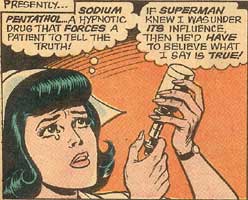
Believe it or not, some of the people arrested and charged with committing crimes are not guilty.

So play it straight in police stories. Dont' write that a Missoula man has been arrested for robbing the bank. If he's yet to be charged, say he's been arrested in connection with the robbery at the bank.

If prosecutors decide to charge him, then lead with that: A Missoula man has been charged with robbing the bank.

I'd be wary even after a judge or jury had decided the case. For instance, I wouldn't write that a bank robber has decided to appeal his sentence. Unless he's confessed to the crime, or the evidence is overwhelming, I'd say a man convicted of robbing the bank has decided to appeal his sentence.

It's a sublte but imporant point.